Licensed PA HIC Contractor Bonded & Insured OSHA Certified Serving Greater Philadelphia

Finding the Right Concrete Contractor in Philadelphia

Your home sits on concrete. The steps leading to your front door, the sidewalk in front of your house, the basement floor under your feet. It's everywhere. And when something goes wrong with it, you notice.

Philadelphia Delaware Valley Main Line South Jersey
25+
Years Experience
2,500+
Projects Done
100%
Licensed & Insured

Get Your Free Concrete Estimate

Tell us about your project β€” most requests get a response within 24 hours.

No obligation Licensed PA HIC Response in 24 hrs

What Does a Concrete Contractor Actually Do?

A concrete contractor handles pretty much anything made of cement around your home. This includes sidewalks, steps, driveways, patios, basement floors, and foundations. Some also do masonry work like brick pointing and stucco.

In Philadelphia, you'll find contractors who focus on residential work and others who handle big commercial projects. The residential ones typically work on rowhome steps, basement floors, and small patios. Commercial contractors pour foundations for new buildings and handle parking lots.

Beyond traditional concrete work, many Philadelphia concrete contractors also offer specialty services like stamped concrete and decorative concrete for homeowners who want a custom look, epoxy flooring for garages and basements, retaining walls for properties with grading challenges, and paving services for commercial lots and municipal projects. The scope of work in the concrete and masonry industry is broad β€” from a simple sidewalk patch to a full commercial concrete pouring project requiring ready-mix concrete delivered by truck, rebar reinforcement, and heavy equipment like skid steers and concrete mixers on site.

🏒 Commercial & Residential

Whether you're a homeowner with cracked front steps or a property manager needing a commercial parking lot, a qualified concrete contractor in Philadelphia can handle projects of any scale.

As a local service business in the construction industry, concrete contractors specialize in concrete services that keep Philadelphia's homes and businesses structurally sound and visually appealing.

Services We Offer

🚢

Sidewalk Repair & Replacement

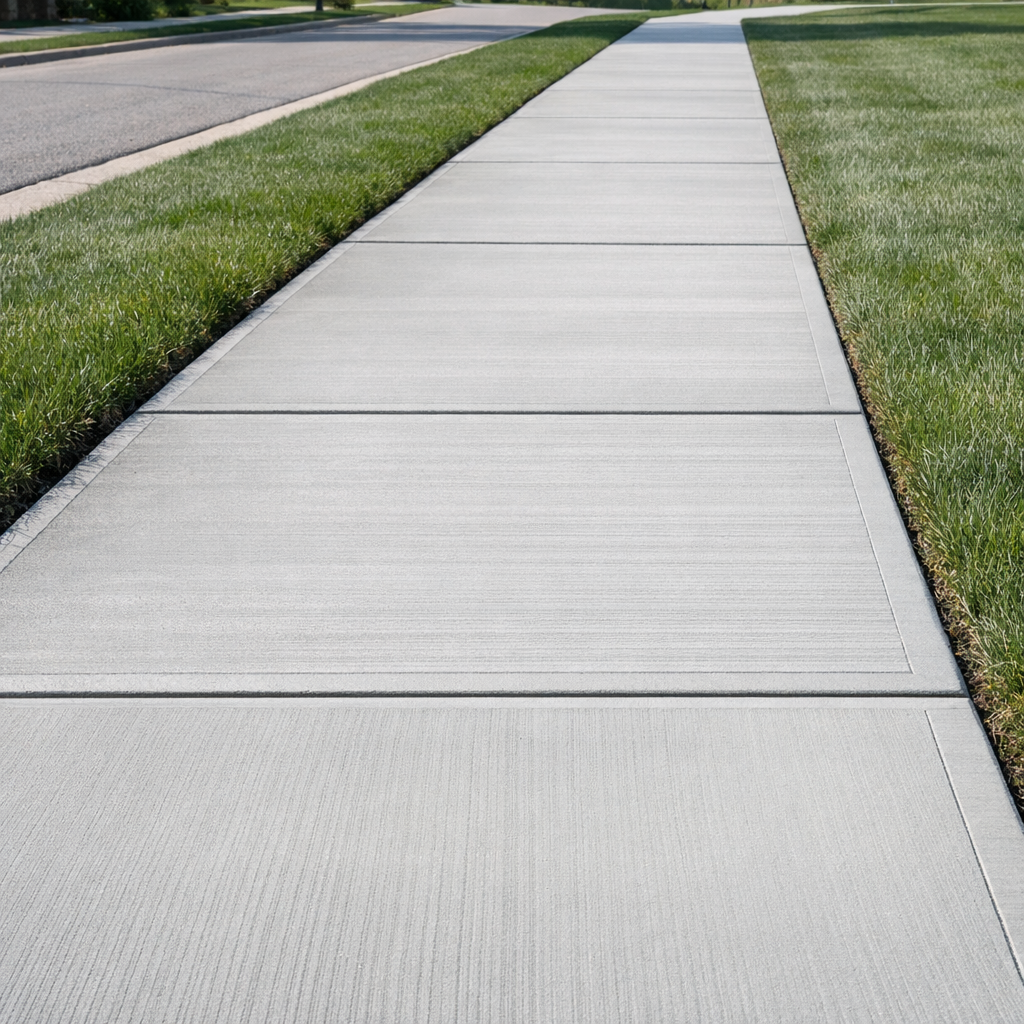
City-code compliant sidewalk work for Philadelphia homeowners

πŸͺœ

Step & Stoop Repair

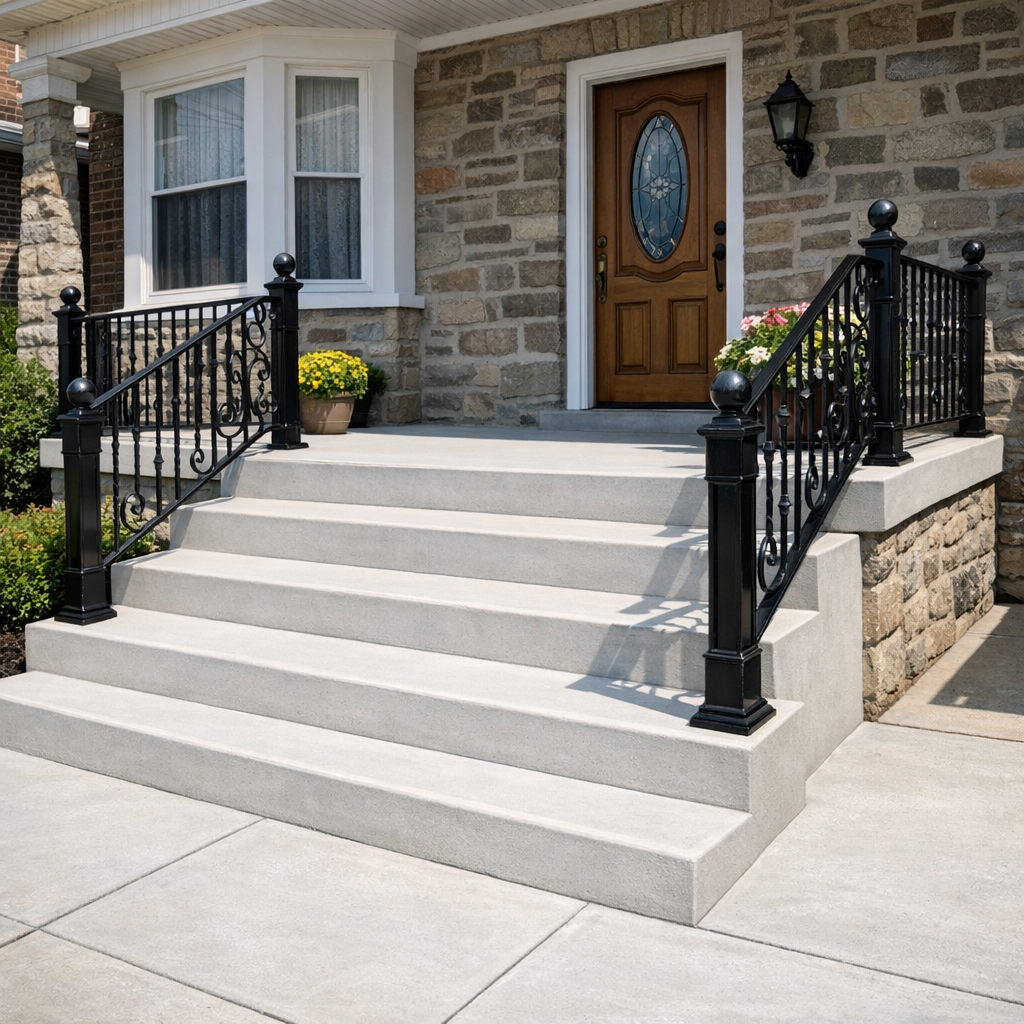
Restore or rebuild your Philadelphia front steps safely

πŸš—

Concrete Driveways

New installation, resurfacing, and full replacement

🏑

Concrete Patios

Outdoor living spaces built to last decades

🧱

Foundation Repair

Structural solutions for cracked or bowing foundations

πŸ’§

Basement Waterproofing

Stop water intrusion at the source, not just the symptom

🎨

Stamped & Decorative Concrete

Custom patterns, colors, and textures for unique spaces

🧱

Masonry & Brick Work

Pointing, restoration, stucco, and block work

🏒

Commercial Concrete

Foundations, slabs, parking lots, and structural pours

πŸ“

Concrete Leveling & Mudjacking

Raise and stabilize sunken concrete affordably

✨

Epoxy Flooring

Durable coatings for garages and basements

πŸͺ¨

Retaining Walls

Structural and decorative wall solutions for any terrain

Why Philadelphia Homes Have Unique Concrete Problems

Philadelphia has its own set of challenges when it comes to concrete. The city sits on clay-heavy soil in many areas. This type of soil expands when it gets wet and shrinks when it dries out. That back-and-forth movement puts stress on foundations and slabs. In construction terms, this is called "soil heave" and it's one of the main reasons foundations crack in this region.

Then there's the age of the housing stock. Many Philadelphia homes were built between 1920 and 1960. The concrete used back then often had a lower PSI (pounds per square inch) rating than modern mixes. A typical residential foundation today uses 3,000 to 4,000 PSI concrete. Older foundations were sometimes mixed on-site with whatever materials were available β€” often basic Portland cement without modern additives β€” leading to inconsistent strength. The aggregate β€” the gravel and stone mixed into concrete β€” can also deteriorate over decades of freeze-thaw exposure.

Many older Philadelphia homes also lack vapor barriers under basement slabs. Without this plastic sheeting between the concrete and soil, moisture moves up through the concrete through capillary action. This causes efflorescence β€” that white, powdery residue you see on basement walls. It's a sign water is moving through the concrete and leaving mineral deposits behind.

A contractor told me about a job in Fishtown where the basement floor had literally crumbled away in spots. The house was from the 1930s, and the original concrete had reached the end of its life. The homeowner had been patching it for years, but patches only go so far.

πŸ“Š Philadelphia Concrete Facts

  • 🏠 Most homes built 1920–1960 with older concrete mixes
  • 🌑️ Clay-heavy soil causes expansion/contraction cycles
  • πŸ’ͺ Modern concrete: 3,000–4,000 PSI vs. older inconsistent mixes
  • πŸ’§ Many basements lack vapor barriers under slabs
  • ❄️ Freeze-thaw cycles are the #1 cause of surface damage

The Freeze-Thaw Problem: How Philadelphia Winters Destroy Concrete

1

Water Enters

Rain and snowmelt seep into tiny cracks and pores in the concrete surface

2

Temperature Drops

Philadelphia winters regularly push temperatures below 32Β°F

3

Ice Expands 9%

Frozen water creates internal pressure exceeding 2,000 PSI

4

Surface Spalls

Cracks widen, surface flakes off. Salt accelerates the damage cycle

You see this a lot on front steps in South Philly and Port Richmond. Applying a quality concrete sealant before winter helps protect against freeze-thaw damage. Removing deteriorated concrete safely also requires following OSHA safety standards, especially on older properties.

Common Signs You Need a Concrete Contractor

Recognizing these issues early can save you thousands in repair costs and prevent safety hazards.

πŸ”

Basement Cracks

Not every crack means trouble β€” hairline vertical cracks are often cosmetic. But horizontal cracks signal hydrostatic pressure from water-saturated soil pushing against your foundation. Stair-step cracks in block foundations mean uneven settling. One homeowner in Manayunk discovered their neighbor's downspout was softening the soil and removing foundation support.

πŸ“

Uneven Floors

If your basement floor slopes or furniture won't sit level, the soil under the concrete may have settled or washed away. Concrete leveling or mudjacking can often restore the surface without full replacement.

πŸ’§

Water in the Basement

If water comes in after it rains, the source could be cracks in the floor or walls, or a drainage issue. A good concrete contractor can diagnose whether you need crack repair, interior waterproofing, or exterior membrane work.

↗️

Tilting or Sinking Steps

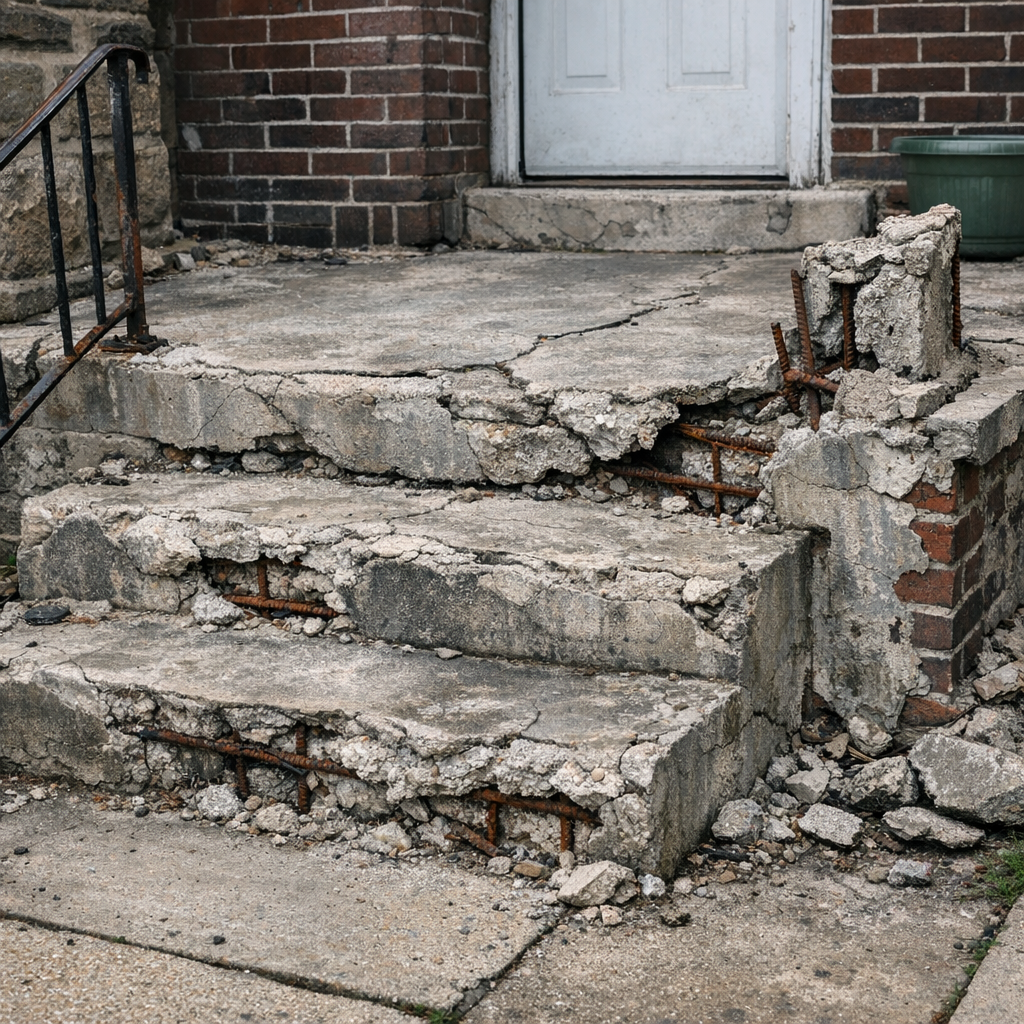
Philadelphia rowhomes almost always have concrete front steps. Over time, these settle on one side or tilt entirely. This isn't just ugly β€” it's a tripping hazard, and the city can cite you for it.

⚠️

Sidewalk Issues

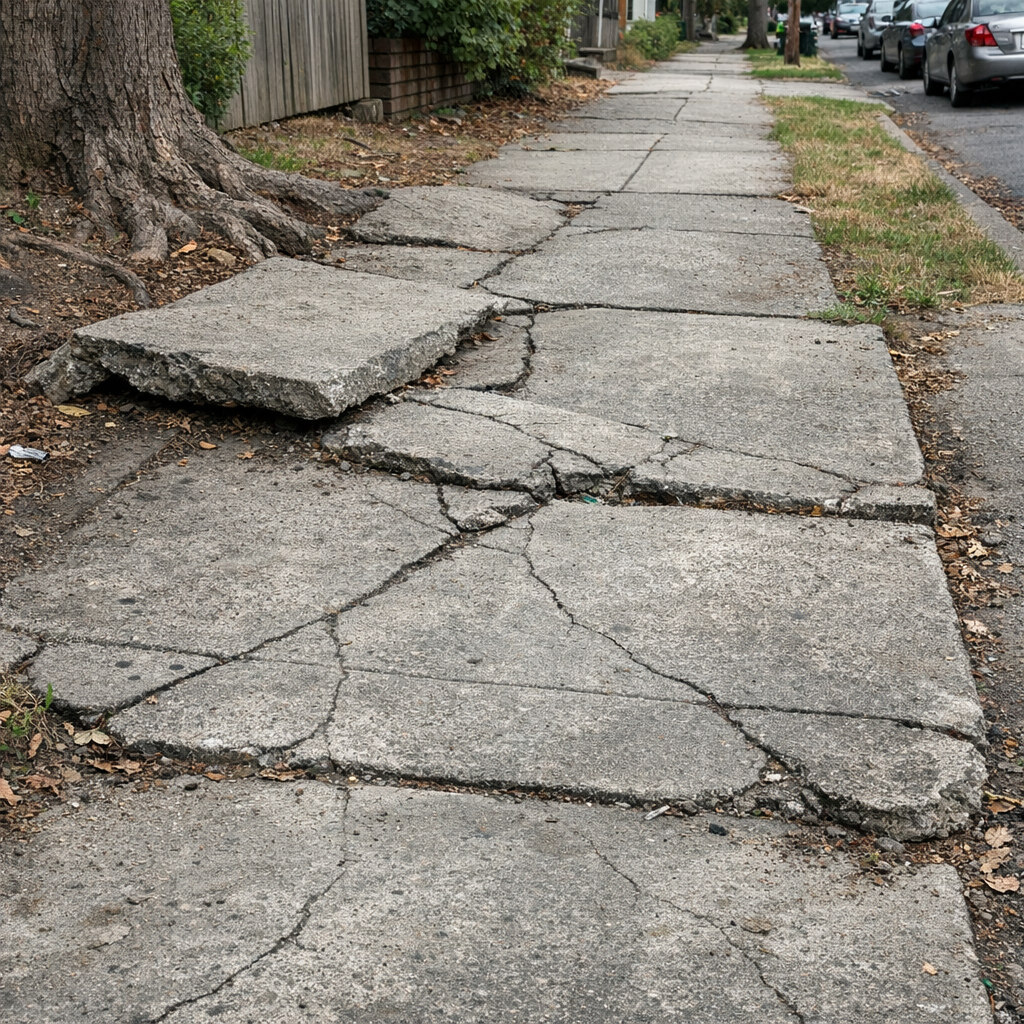
In Philadelphia, property owners are responsible for sidewalks per the Philadelphia Property Maintenance Code. Cracked, lifted, or broken sidewalks can trigger a violation notice from L&I (Department of Licenses and Inspections) with deadlines for repair. You can appeal within 30 days if city trees caused the damage.

Noticed Any of These Signs at Your Philadelphia Home?

Get a professional assessment. Our estimates are free, and we'll tell you exactly what's going on.

Services You Might Need

Detailed information about each service to help you understand what's involved and what to expect.

Sidewalk Repair and Replacement

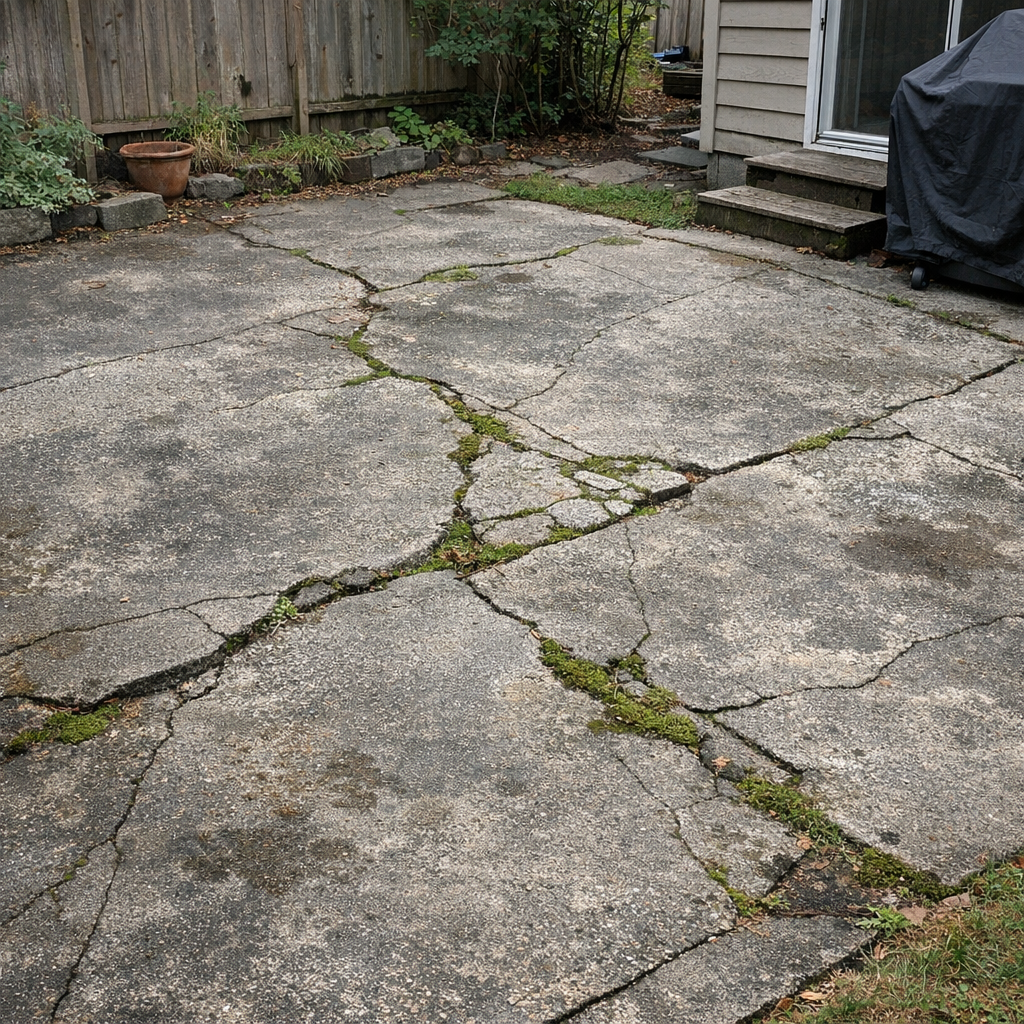
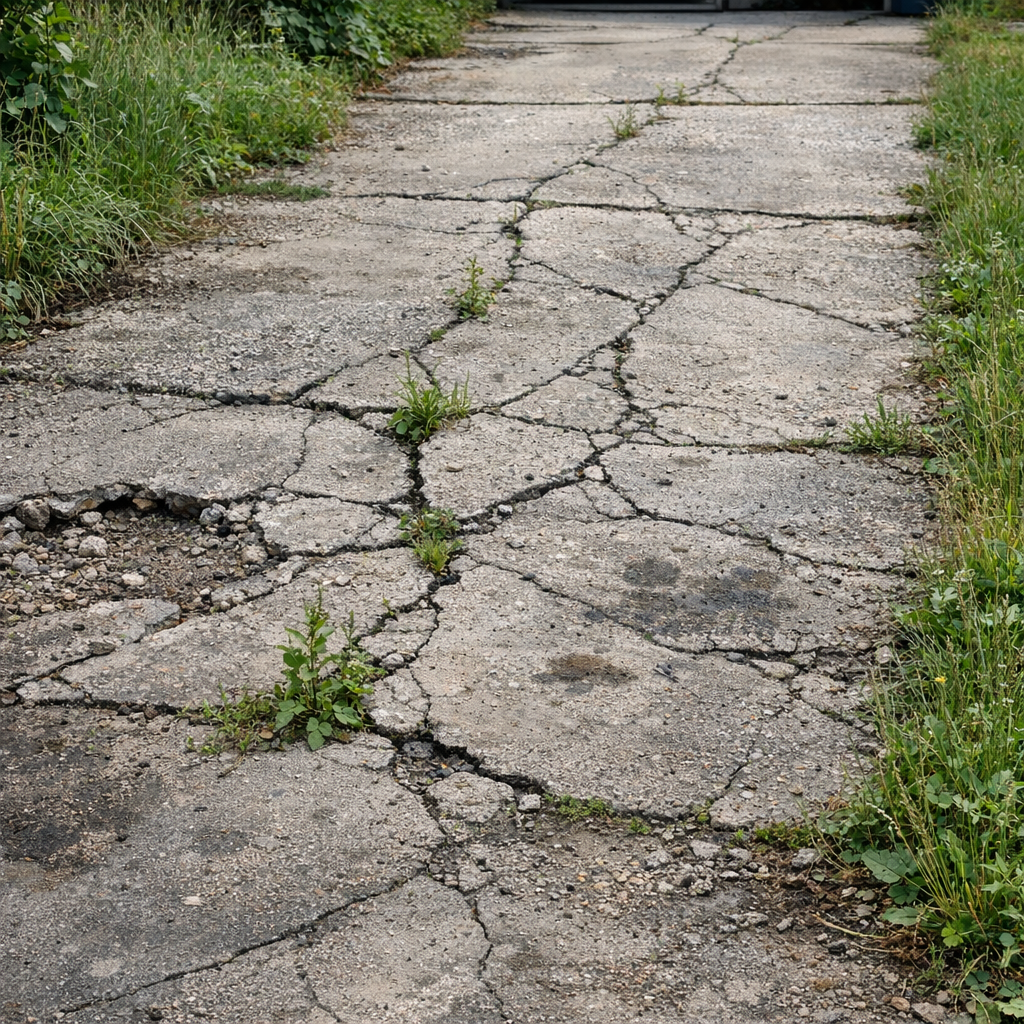
This is one of the most common jobs for Philadelphia concrete contractors. Tree roots often lift sidewalk panels, creating a trip hazard and potential liability. When one panel sits higher than the next β€” called "vertical displacement" β€” contractors have two options: concrete grinding to level the raised edge, or full panel replacement. Grinding costs less but only works for displacement under 2 inches. Replacement is better for severely damaged sections. Philadelphia sidewalk replacement must comply with city building codes and typically requires a permit from L&I.

Step Repair and Replacement

Those iconic Philadelphia front steps take a beating. Salt, foot traffic, and weather all wear them down. Some contractors can patch damaged areas using a cement-based resurfacing product, but only if the underlying structure is solid. A contractor shared a story about a job in South Philadelphia where the homeowner wanted to save the original steps. But when they started chipping away at the loose concrete, they found the reinforcing steel underneath had rusted through (rebar corrosion). The rust expanded, pushing the concrete apart from inside. They ended up doing a complete rebuild with new rebar reinforcement and proper concrete cover over the steel.

Concrete Driveways

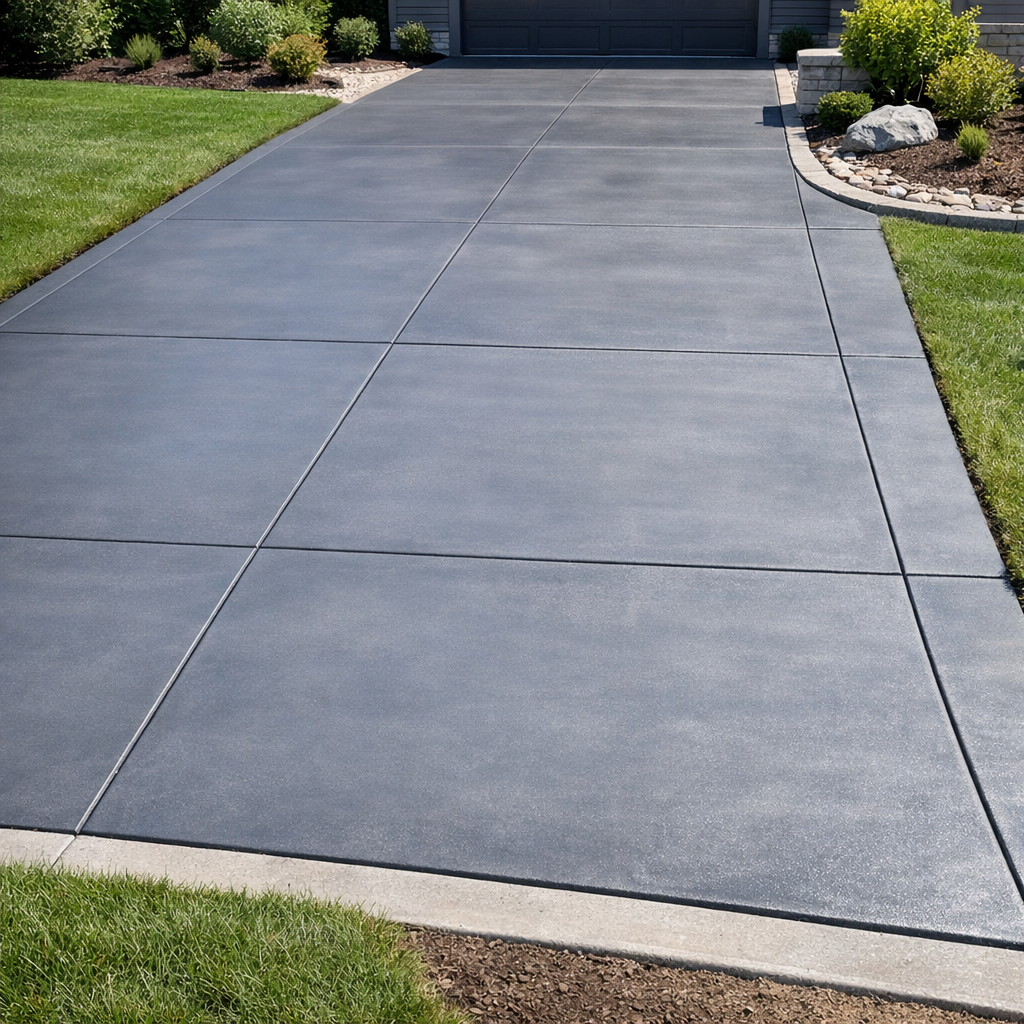
Not every Philadelphia home has a driveway, but if you do, you know they crack and settle over time. A good contractor can assess whether you need repairs, mudjacking (pumping material under the slab to raise it), or a full replacement. For new driveways, expect 4 inches of concrete thickness minimum, with reinforcement. New concrete driveways in Philadelphia are typically poured using ready-mix concrete delivered to the site, with rebar or wire mesh reinforcement for long-term durability.

Concrete Patios and Outdoor Living Spaces

More homeowners are putting in concrete patios. It's less maintenance than wood decking and holds up better in Philadelphia's weather. Some contractors offer stamped concrete, which mimics the look of stone or brick through textured mats pressed into wet concrete. Colored concrete uses integral pigment mixed throughout, or stain applied after curing. Decorative concrete options allow Philadelphia homeowners to create custom outdoor spaces that complement the city's architectural character.

Basement Waterproofing

This goes beyond just fixing cracks. Waterproofing might involve installing a sump pump with interior drain tile, applying hydraulic cement to active leaks, or using vapor barrier systems on walls. Interior waterproofing manages water that gets in. Exterior waterproofing β€” excavation and applying membrane coatings to foundation walls β€” stops water before it enters. The second option costs more but addresses the cause rather than the symptom.

Foundation Repair

If your foundation walls are bowing inward (often caused by hydrostatic pressure from saturated soil), cracking significantly, or showing other signs of structural problems, you may need specialized repair methods. These include carbon fiber straps, wall anchors, or helical piers. Foundation repair requires materials like rebar and reinforcing steel and must comply with Philadelphia building codes.

Retaining Walls

Philadelphia properties with sloped yards, hillside lots, or grading challenges often need retaining walls to manage soil and water flow. Concrete retaining walls can be poured-in-place, built with concrete masonry units (CMU blocks), or constructed using natural stone for a more decorative look. In neighborhoods like Manayunk and Roxborough, where steep terrain is common, retaining walls serve both a structural and aesthetic purpose. Proper drainage behind the wall is essential to prevent hydrostatic pressure from building up.

Epoxy Flooring

Epoxy flooring has become increasingly popular among Philadelphia homeowners looking to upgrade garage floors and basement surfaces. An epoxy coating creates a seamless, durable, chemical-resistant surface that's easy to clean. The process involves grinding the existing concrete surface, then applying multiple layers of epoxy resin. Color flakes, metallic pigments, and anti-slip additives can be incorporated for both aesthetics and safety.

Concrete Leveling and Mudjacking

When concrete slabs sink or settle unevenly β€” common in driveways, sidewalks, garage floors, and pool decks β€” concrete leveling offers a cost-effective alternative to full replacement. Mudjacking involves drilling small holes in the sunken slab and pumping a cement-based slurry underneath to raise it back to level. In Philadelphia, where clay soil movement causes frequent settlement, concrete leveling can restore a surface at roughly half the cost of replacement.
Ready to Discuss Your Concrete Project?

Tell us about your project and we'll provide a free, no-obligation estimate. Most requests receive a response within 24 hours.

Licensed PA HIC Bonded & Insured 24hr Response

Get Your Free Estimate

No obligation. No pressure.

When to Call a Structural Engineer Instead of a Contractor

Not every crack needs an engineer, but certain signs mean you should get a professional structural assessment first. A structural engineer charges $300–$800 in Philadelphia but provides an unbiased assessment β€” they don't sell repairs, so they have no incentive to recommend unnecessary work.

⚠️ Call an Engineer If You Notice:

  • β†’ Bowing or leaning foundation walls
  • β†’ Stair-step cracks wider than ΒΌ inch in block foundations
  • β†’ Horizontal cracks in poured concrete walls
  • β†’ Doors and windows that suddenly stick or won't close
  • β†’ Sloping floors or cracks running through floor tiles
  • β†’ Visible separation between walls and ceiling or floor

How to Verify a Philadelphia Contractor Is Legitimate

Philadelphia and Pennsylvania have specific requirements for home improvement contractors. Here's how to check.

πŸ›‘οΈ

Check Their PA HIC Registration

Every home improvement contractor in Pennsylvania must register with the Attorney General's office. Ask for their PA Home Improvement Contractor (HIC) number and verify it online. A valid registration means they've passed background checks and carry required insurance.

πŸ“‹

Verify Their Insurance Certificate

Ask for a current certificate showing both general liability and workers' compensation. Call the insurance company directly to confirm the policy is active. If a worker gets hurt on your property and the contractor is uninsured, you could be liable.

πŸ›οΈ

Check Philadelphia L&I License

For many concrete jobs in Philadelphia, contractors need a license from the Department of Licenses and Inspections. You can look up a contractor's license status on the city's website to confirm they're legally allowed to pull permits.

πŸ“

Ask About Permits & Credentials

Reputable contractors should demonstrate compliance with OSHA safety standards and may hold OSHA certification. Membership in the American Concrete Institute (ACI) or accreditation with the Better Business Bureau (BBB) are additional indicators of professionalism. Call L&I at 215-686-2490 to check permit requirements.

Want to Verify Our Credentials?

Ask us for our PA HIC number, insurance certificate, and references. We're happy to provide them.

Contact Us to Verify β†’ πŸ“ž (215) 555-1234

Typical Price Ranges for Concrete Work in Philadelphia

Prices vary based on job size, condition of existing concrete, and site access. Here are general ranges Philadelphia homeowners can expect.

Type of Work Price Range Notes
Sidewalk repair$4 – $14 / sq. ft.Patching costs less than full replacement
Sidewalk replacement$800 – $2,400+Depends on how many slabs need replacing
Front steps$1,500 – $4,000+Varies based on size and design
Driveway$6 – $12 / sq. ft.Standard concrete; decorative adds more
Patio$6 – $10 / sq. ft.Basic finish
Stamped concrete$8 – $18 / sq. ft.Adds texture and pattern
Basement floor$4 – $10 / sq. ft.Depends on prep work needed
Foundation crack repair$500 – $2,500+Depends on severity and method
Epoxy flooring$3 – $12 / sq. ft.Varies by coating system and prep
Retaining wall$25 – $50 / sq. ft. faceMaterial type and height affect cost
Concrete leveling$3 – $6 / sq. ft.Significantly less than full replacement
Concrete removal$2 – $5 / sq. ft.Demo and haul away
Sidewalk Repair
$4 – $14 / sq. ft.
Patching costs less than full replacement
Sidewalk Replacement
$800 – $2,400+
Depends on how many slabs need replacing
Front Steps
$1,500 – $4,000+
Varies based on size and design
Driveway
$6 – $12 / sq. ft.
Standard concrete; decorative adds more
Patio
$6 – $10 / sq. ft.
Basic finish
Stamped Concrete
$8 – $18 / sq. ft.
Adds texture and pattern
Basement Floor
$4 – $10 / sq. ft.
Depends on prep work needed
Foundation Crack Repair
$500 – $2,500+
Depends on severity and method
Epoxy Flooring
$3 – $12 / sq. ft.
Varies by coating system and prep
Retaining Wall
$25 – $50 / sq. ft. face
Material type and height affect cost
Concrete Leveling
$3 – $6 / sq. ft.
Significantly less than full replacement
Concrete Removal
$2 – $5 / sq. ft.
Demo and haul away

These ranges reflect typical pricing in the Philadelphia market. Smaller jobs sometimes cost more per square foot due to minimum charges for equipment and crew. Hard-to-reach areas (like backyards with no alley access) may cost more for extra labor.

Want an Exact Price for Your Project?

Every project is different. Get a free, no-obligation on-site estimate tailored to your specific needs.

Red Flags to Watch For

Protect yourself from scams and unqualified contractors by watching for these warning signs.

πŸšͺ

Door-to-Door Solicitation

Be wary of anyone who shows up saying they have "extra material" from a nearby job. This is almost always a scam.

πŸ’΅

Cash-Only Payment

If a contractor only wants cash and won't provide receipts, that's concerning. You need a paper trail for warranty purposes.

πŸ“„

No Written Contract

Get everything in writing. The contract should spell out work scope, materials, timeline, and payment terms.

⏰

Pressure to Decide Immediately

A reputable contractor gives you time to think. If someone pushes you to sign right away, that's a warning sign.

What Happens on Job Day

Understanding the process helps you know what to expect and ensures the best results for your project.

1

πŸ“‹ Site Preparation & Forms

The crew arrives early and sets up forms β€” the wooden or metal frames that hold wet concrete in place until it hardens. The forms define the shape and edges of your new slab or steps.

2

πŸ”¨ Demolition (If Replacement)

Old concrete is broken up and hauled away. This is noisy and dusty, but a good crew minimizes the mess and handles all disposal.

3

πŸ”© Reinforcement Installation

Wire mesh, rebar (steel reinforcing bars), or fibermesh is installed. Reinforcement holds cracked sections together so they don't shift and become trip hazards.

4

πŸš› Concrete Pour

Ready-mix concrete is delivered by truck and placed into the forms. For larger jobs, a concrete mixer and pump may be used to reach difficult areas.

5

πŸ—οΈ Finishing & Control Joints

The surface is smoothed and textured. Control joints are cut β€” intentional lines that encourage cracks to form in straight, hidden lines rather than randomly across the surface.

6

⏳ Curing & Protection

A curing compound is applied to slow moisture loss. You can walk on it after 24–48 hours, drive on it after 7 days (70% strength), and it reaches full strength at 28 days.

Repair or Replace? How to Decide

Not every damaged concrete surface needs full replacement. Here's a quick guide to help you decide.

Situation Repair Might Work Replace Instead
Cracked Steps Surface cracks less than ΒΌ inch wide Structural cracks, tilted steps, rebar corrosion
Sidewalk Panels Single raised edge under 2 inches Multiple cracks, severe spalling, tree root damage
Driveway Surface cracks, minor settlement Major cracks, extensive pitting, drainage problems
Basement Floor Minor cracks without water intrusion Heaving, major settlement, water seeping through
Patio Minor surface damage Sinking, major cracking, poor drainage

🚨 When Is It an Emergency?

Most concrete problems develop slowly. But these situations need immediate attention.

πŸ’§

Active Basement Flooding

Water entering during rain can lead to mold growth within 24–48 hours.

↗️

Suddenly Tilting Structure

Rapid settlement may signal a sinkhole or major soil washout underneath.

πŸ’₯

Concrete Collapse

Holes or crumbled sections pose serious injury risk to anyone nearby.

⚑

Exposed Utility Lines

If settling has exposed gas or water lines, contact your utility company immediately.

Philadelphia Neighborhoods and Their Concrete Challenges

Different parts of the city face different issues. Here's what contractors often see in various neighborhoods.

πŸ“ South Philadelphia

β–Ό

The classic South Philly rowhome typically has a small front yard with concrete steps and often a concrete pad in the back. These homes were built close together, which means drainage can be tricky. Water often ends up flowing toward foundations rather than away from them. The narrow lots also make equipment access challenging β€” contractors may need to use smaller equipment like Bobcats and skid steers to navigate tight spaces.

πŸ“ Fishtown & Northern Liberties

β–Ό

These neighborhoods have seen lots of renovation activity. Many older homes are getting updates, including new concrete work. Contractors in these areas often deal with original foundations that need attention when homeowners finish basements or add living space.

πŸ“ West Philadelphia

β–Ό

Homes here often have larger lots, which means more driveway and sidewalk area. Tree roots from the mature tree canopy frequently lift sidewalks and cause trip hazards. The soil composition varies more here than in other parts of the city.

πŸ“ Northeast Philadelphia

β–Ό

This area has many homes built in the post-war era. The concrete is showing its age. Foundations here were often built with methods that wouldn't meet today's standards. Settlement cracks are common throughout the neighborhood.

πŸ“ Manayunk & Roxborough

β–Ό

These neighborhoods sit on hills, which creates unique drainage challenges. Water runs downhill, and if it's not directed properly, it ends up against foundations. Contractors who work here often recommend drainage improvements along with concrete repairs. Retaining walls are frequently needed to manage the steep terrain.

πŸ“ Center City

β–Ό

Center City properties face unique concrete challenges related to commercial use, heavy foot traffic, and historic preservation requirements. Sidewalks in commercial districts see significantly more wear. Many buildings have basement-level entrances requiring specialized waterproofing. ADA compliance for commercial concrete work is strictly enforced.

πŸ“ The Main Line

β–Ό

Properties along the Main Line β€” including Lower Merion, Ardmore, Bryn Mawr, and Wayne β€” often feature larger concrete installations: long driveways, expansive patios, pool decks, and decorative retaining walls. Stamped concrete, decorative concrete finishes, and custom designs are popular choices in this area.

πŸ“ Delaware Valley & South Jersey

β–Ό

The Greater Philadelphia Area extends well beyond city limits. Concrete contractors serving the Delaware Valley handle projects across Bucks County, Montgomery County, Delaware County, and into South Jersey communities like Cherry Hill, Haddonfield, and Moorestown. Each area has its own soil conditions, municipal code requirements, and architectural styles.

Serving All of Philadelphia & the Greater Delaware Valley

From South Philly rowhomes to Main Line estates β€” we know your neighborhood's concrete needs.

Philadelphia β€’ South Philadelphia β€’ Center City β€’ Fishtown β€’ Northern Liberties β€’ West Philadelphia β€’ Northeast Philadelphia β€’ Manayunk β€’ Roxborough β€’ Main Line β€’ Delaware Valley β€’ Bucks County β€’ Montgomery County β€’ Delaware County β€’ South Jersey

Best Time of Year for Concrete Work in Philadelphia

Concrete needs specific conditions to cure properly. Philadelphia's climate creates ideal windows for pouring.

🌸

Late April – June

Ideal

Ground has thawed, temperatures are moderate (50Β°F–70Β°F), less rain than early spring. This is peak booking season β€” schedule early.

πŸ‚

September – October

Ideal

Cooler temperatures, lower humidity, typically drier weather. Excellent curing conditions and often faster scheduling availability.

β˜€οΈ

July – August

Caution

Hot weather causes concrete to cure too fast, leading to surface cracking. Experienced contractors work early morning and may add retarding additives.

❄️

November – March

Challenging

Concrete shouldn't freeze during the first 24–48 hours. Cold weather requires heated water, insulating blankets, and adds 10–20% to cost.

Maintaining Your New Concrete

Once the job is done, you want it to last. Quality concrete work should endure for decades. Here are the basics to protect your investment.

πŸ›‘οΈ

Keep It Sealed

A concrete sealer protects against water and salt damage. Reseal every 2–3 years for outdoor surfaces.

πŸ”

Watch for New Cracks

Small cracks are cosmetic. Larger ones should be addressed before water gets in and makes things worse.

🌧️

Manage Drainage

Ensure water flows away from concrete surfaces. Direct gutters and downspouts well away from foundations.

πŸ§‚

Go Easy on De-Icers

Salt-based de-icers damage concrete, especially new pours. Use sparingly or choose concrete-safe products.

Frequently Asked Questions

Answers to the most common questions about concrete work in Philadelphia.

How long does concrete take to cure?

β–Ό
Concrete reaches about 70% of its strength after 7 days and full strength at 28 days. You can typically walk on it after 24–48 hours, drive on a driveway after 7 days, and place heavy objects after 28 days. Cure times are slower in cold weather.

Do I need a permit for concrete work in Philadelphia?

β–Ό
Most concrete work requires permits. Sidewalk replacement, new steps, driveways, and any structural work need permits from L&I. Small repairs (patching, grinding) typically don't. Check with L&I at 215-686-2490 or visit their website before assuming permits aren't needed.

Can I pour concrete in winter?

β–Ό
Yes, but it costs more and requires special precautions. The concrete mix needs hot water and accelerating additives. After pouring, the concrete must be covered with insulated blankets to retain heat. Many contractors charge 10–20% more for winter work.

How thick should concrete be?

β–Ό
Standard recommendations: Sidewalks and patios need 4 inches minimum. Driveways should be 4 inches for cars, 6 inches for heavier vehicles or RVs. Basement floors are typically 4 inches on a gravel base. Steps vary based on design but the tread should be at least 4 inches thick.

Should I seal new concrete?

β–Ό
Yes, especially for outdoor surfaces exposed to salt and freeze-thaw cycles. Wait at least 28 days after pouring for the concrete to cure fully before applying a concrete sealant. Re-seal every 2–3 years for driveways and patios, more often for surfaces with heavy salt exposure.

What's the difference between a concrete contractor and a masonry contractor?

β–Ό
A concrete contractor specializes in poured concrete work β€” driveways, sidewalks, foundations, patios, and slabs. A masonry contractor works primarily with individual units like bricks, blocks (CMU), and stone. Many contractors in Philadelphia offer overlapping services including brick pointing, stucco repair, and block wall construction.

What is stamped concrete and is it worth the extra cost?

β–Ό
Stamped concrete is a decorative concrete technique where textured mats are pressed into freshly poured concrete to create patterns mimicking stone, brick, slate, or wood. A concrete sealant is then applied to protect the surface. It typically costs $8–$18 per square foot compared to $6–$10 for standard concrete. The extra cost buys a custom look without the higher price of natural stone or pavers.

How do I find a licensed concrete contractor in Philadelphia?

β–Ό
Start by asking for their Pennsylvania Home Improvement Contractor (HIC) registration number and verify it through the PA Attorney General's website. Check their Philadelphia L&I license status on the city's website. Confirm they carry general liability insurance and workers' compensation. Membership in the American Concrete Institute (ACI) or accreditation with the Better Business Bureau (BBB) are additional positive indicators.

Does a concrete contractor also handle epoxy flooring?

β–Ό
Some concrete contractors offer epoxy flooring as part of their service lineup, particularly for garage floors and basement surfaces. Epoxy application requires proper concrete surface preparation β€” typically diamond grinding β€” and moisture testing. Ask specifically about their epoxy experience and request examples of previous projects.

What areas around Philadelphia do concrete contractors serve?

β–Ό
Most established Philadelphia concrete contractors serve the Greater Philadelphia Area, including South Philadelphia, Center City, Northeast Philadelphia, the Main Line, the broader Delaware Valley, Bucks County, Montgomery County, Delaware County, and parts of South Jersey. Service radius varies β€” some focus on Philadelphia proper while others cover a 50–60 mile radius.

Resources for Philadelphia Homeowners

Official resources to help you navigate permits, verify contractors, and understand your rights.

Ready to Fix Your Concrete?
Get Your Free Philadelphia Estimate.

Licensed PA Home Improvement Contractor β€’ Bonded & Insured β€’ Serving the Greater Philadelphia Area

Request Your Free Estimate

We'll get back to you within 24 hours.

No obligation Licensed & Insured 24hr Response

Or call us directly: (215) 555-1234

Call Now