Sidewalk Repair and Replacement
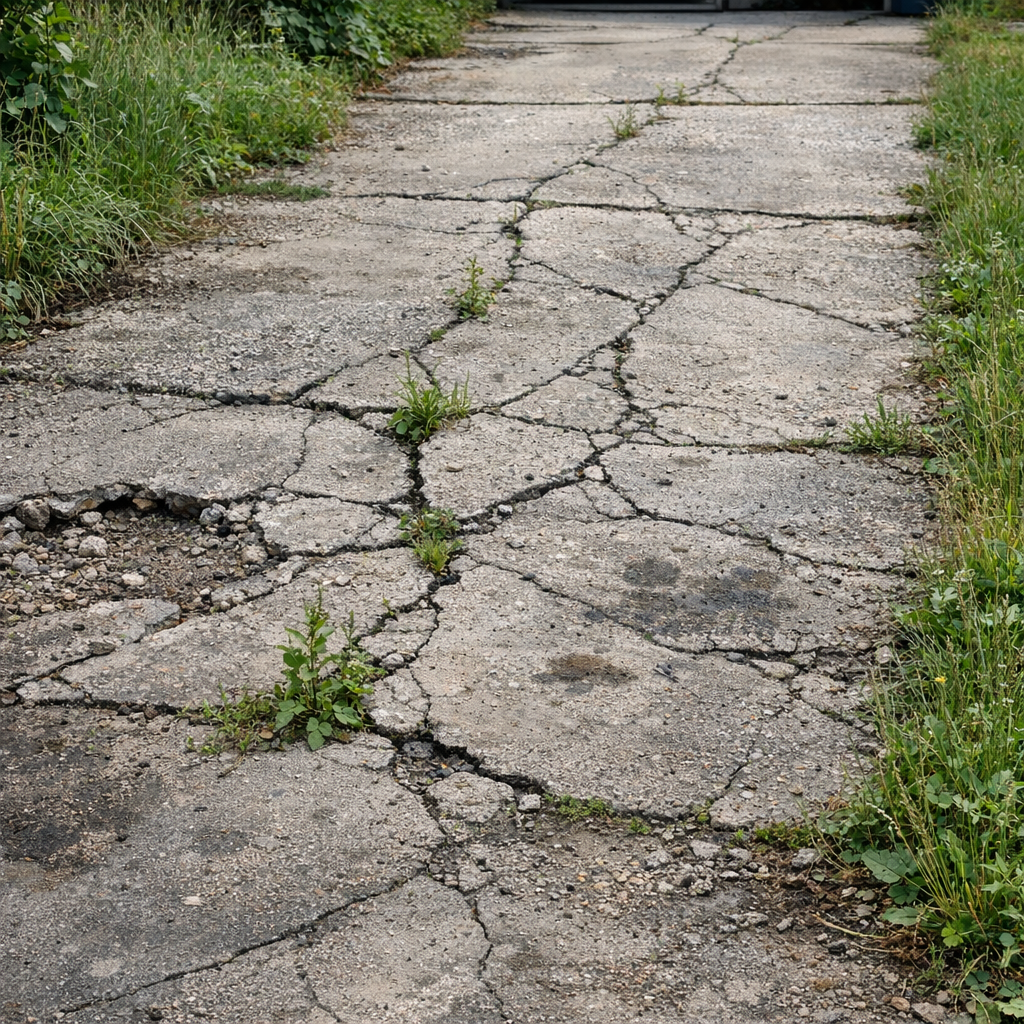
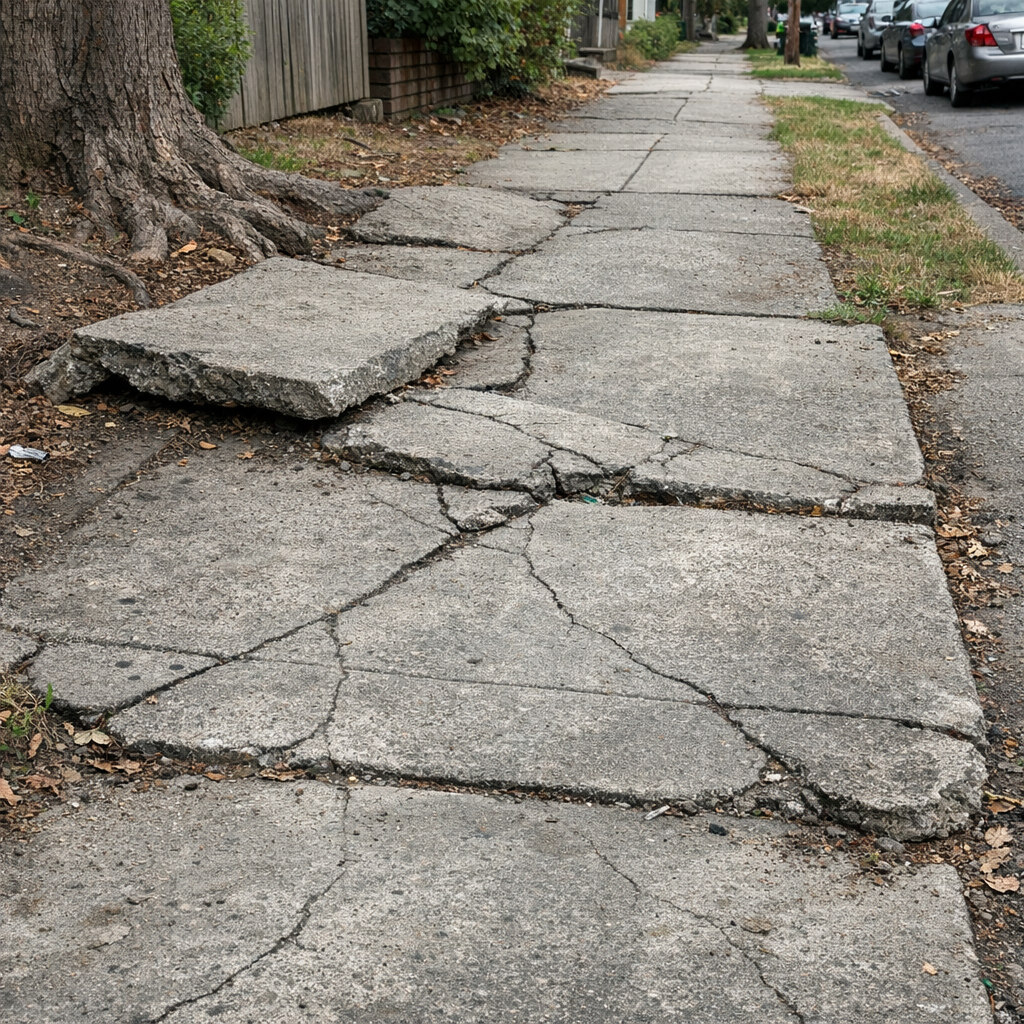
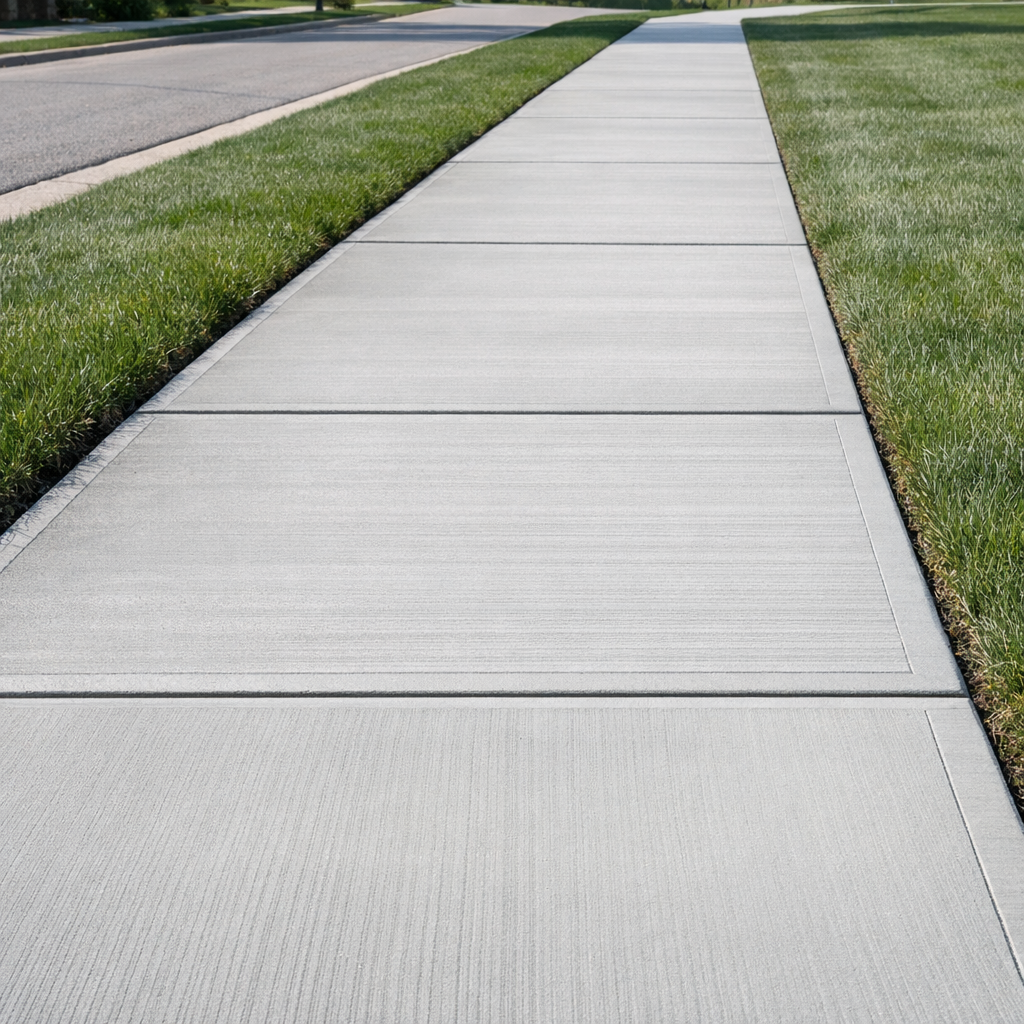
This is one of the most common jobs for Philadelphia concrete contractors. Tree roots often lift sidewalk panels, creating a trip hazard and potential liability. When one panel sits higher than the next — called "vertical displacement" — contractors have two options: concrete grinding to level the raised edge, or full panel replacement. Grinding costs less but only works for displacement under 2 inches. Replacement is better for severely damaged sections. Philadelphia sidewalk replacement must comply with city building codes and typically requires a permit from L&I.
Step Repair and Replacement
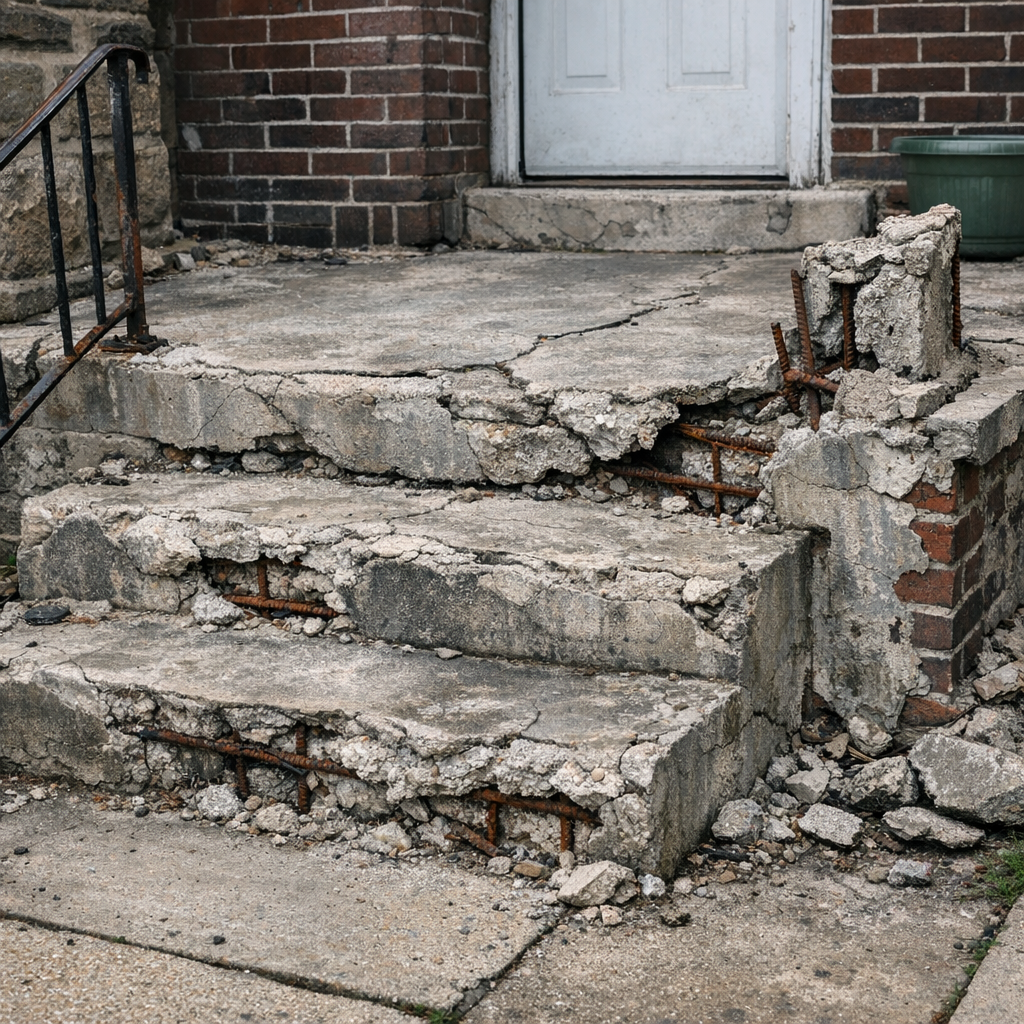
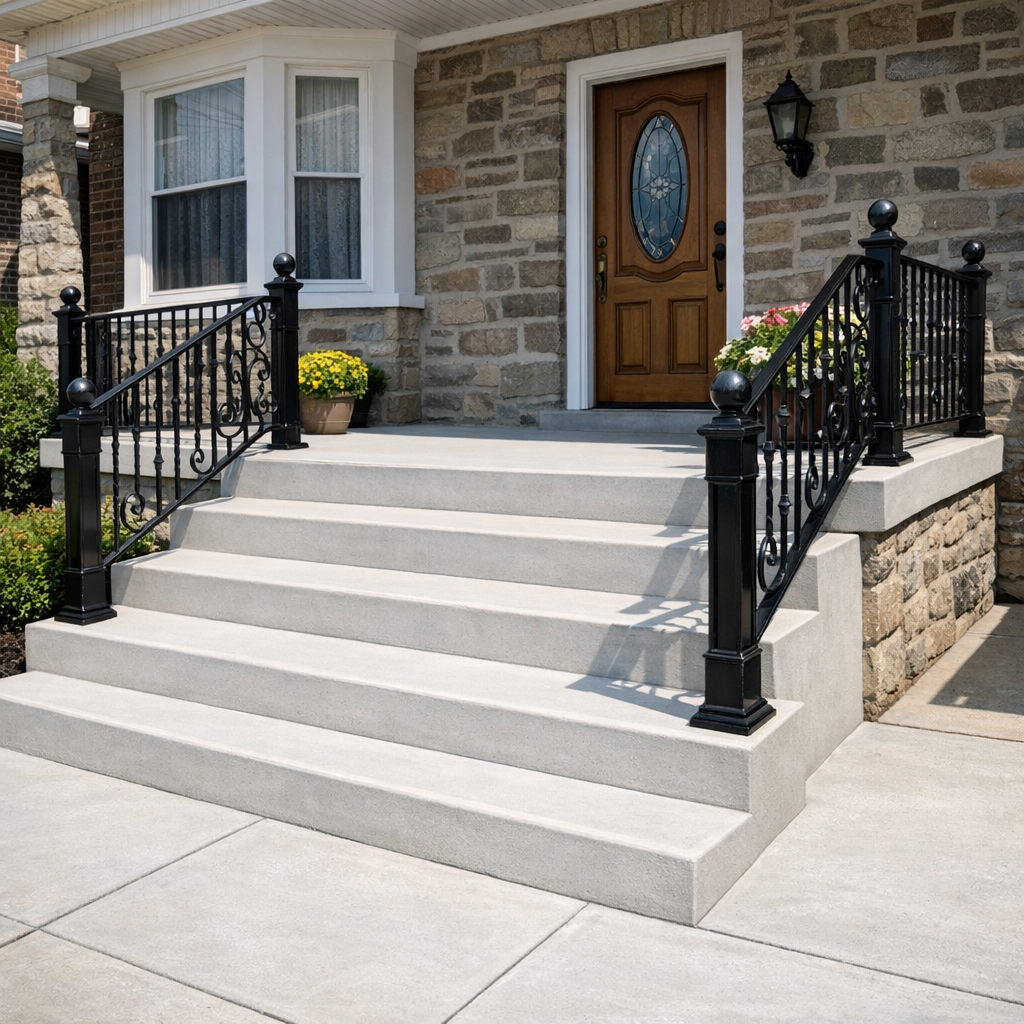
Those iconic Philadelphia front steps take a beating. Salt, foot traffic, and weather all wear them down. Some contractors can patch damaged areas using a cement-based resurfacing product, but only if the underlying structure is solid. A contractor shared a story about a job in South Philadelphia where the homeowner wanted to save the original steps. But when they started chipping away at the loose concrete, they found the reinforcing steel underneath had rusted through (rebar corrosion). The rust expanded, pushing the concrete apart from inside. They ended up doing a complete rebuild with new rebar reinforcement and proper concrete cover over the steel.
Concrete Driveways
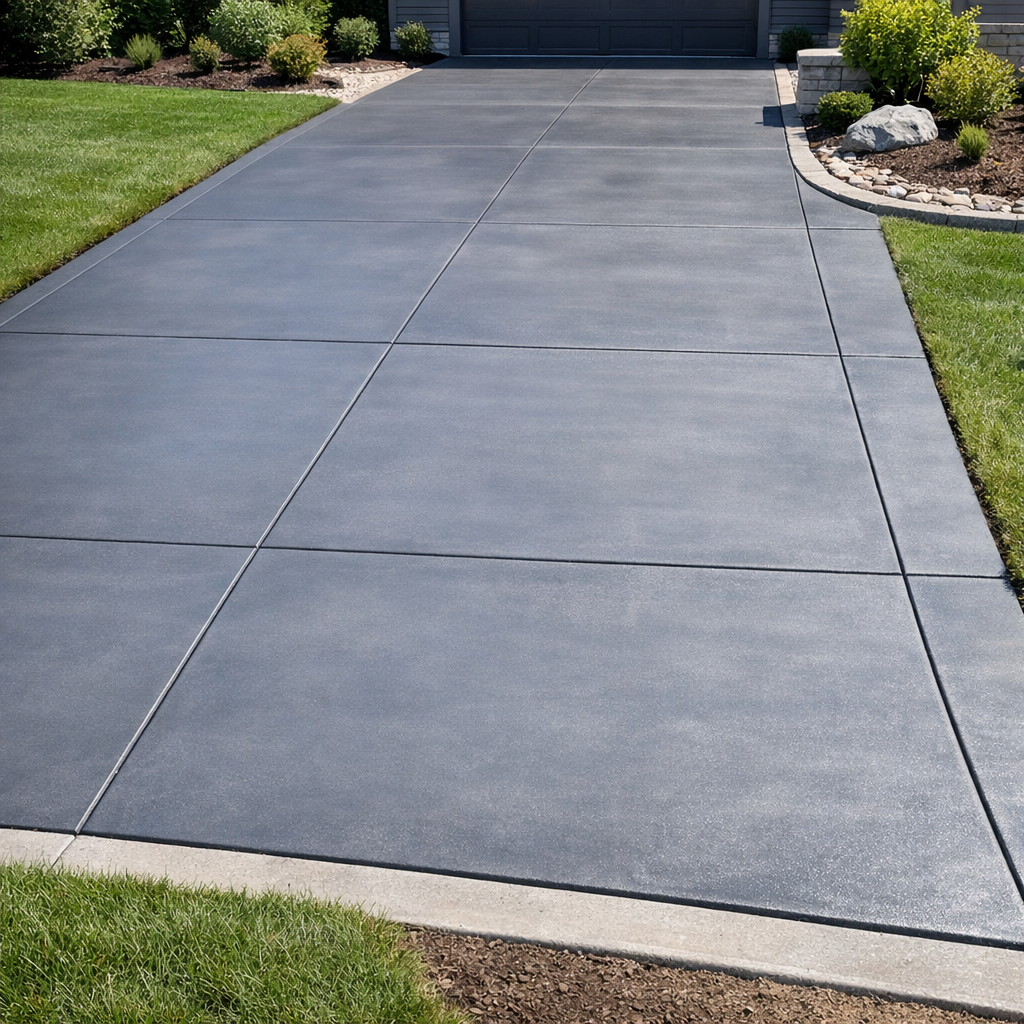
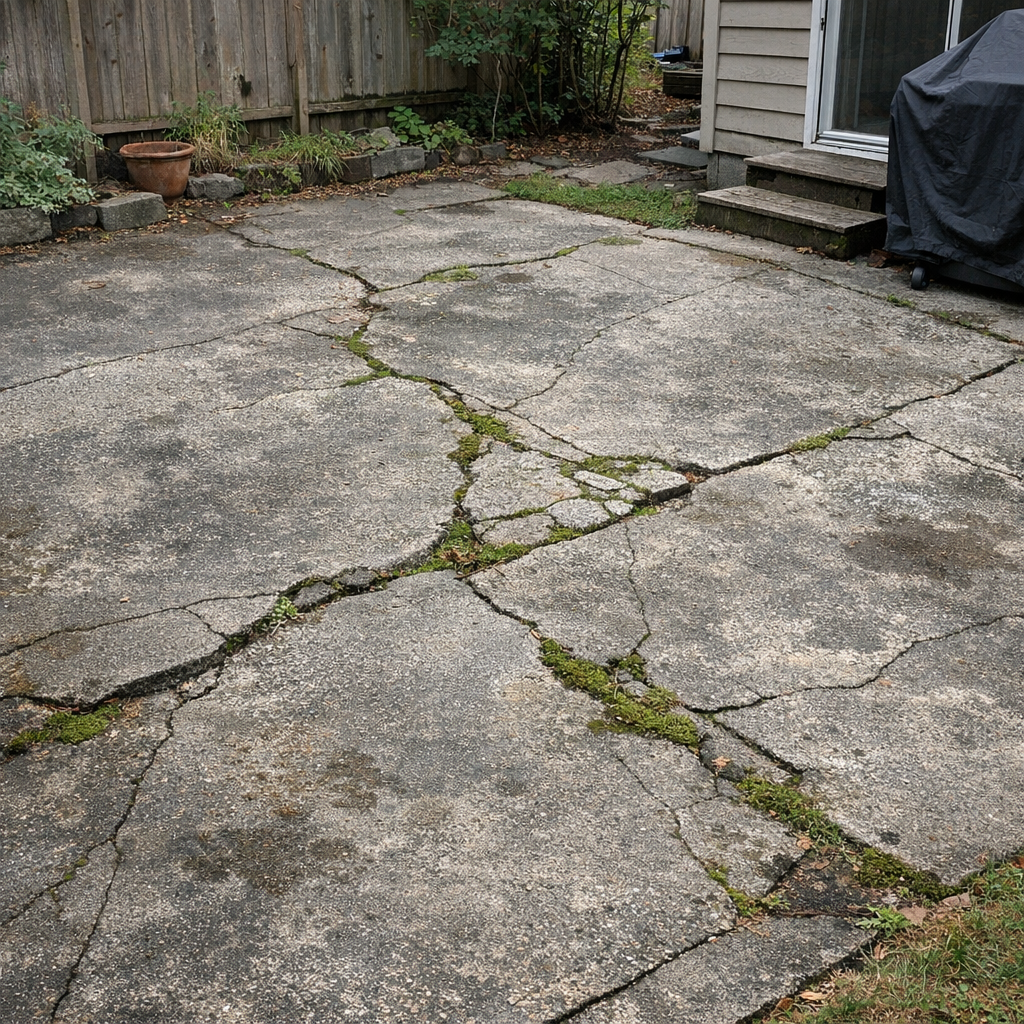
Not every Philadelphia home has a driveway, but if you do, you know they crack and settle over time. A good contractor can assess whether you need repairs, mudjacking (pumping material under the slab to raise it), or a full replacement. For new driveways, expect 4 inches of concrete thickness minimum, with reinforcement. New concrete driveways in Philadelphia are typically poured using ready-mix concrete delivered to the site, with rebar or wire mesh reinforcement for long-term durability.
Concrete Patios and Outdoor Living Spaces
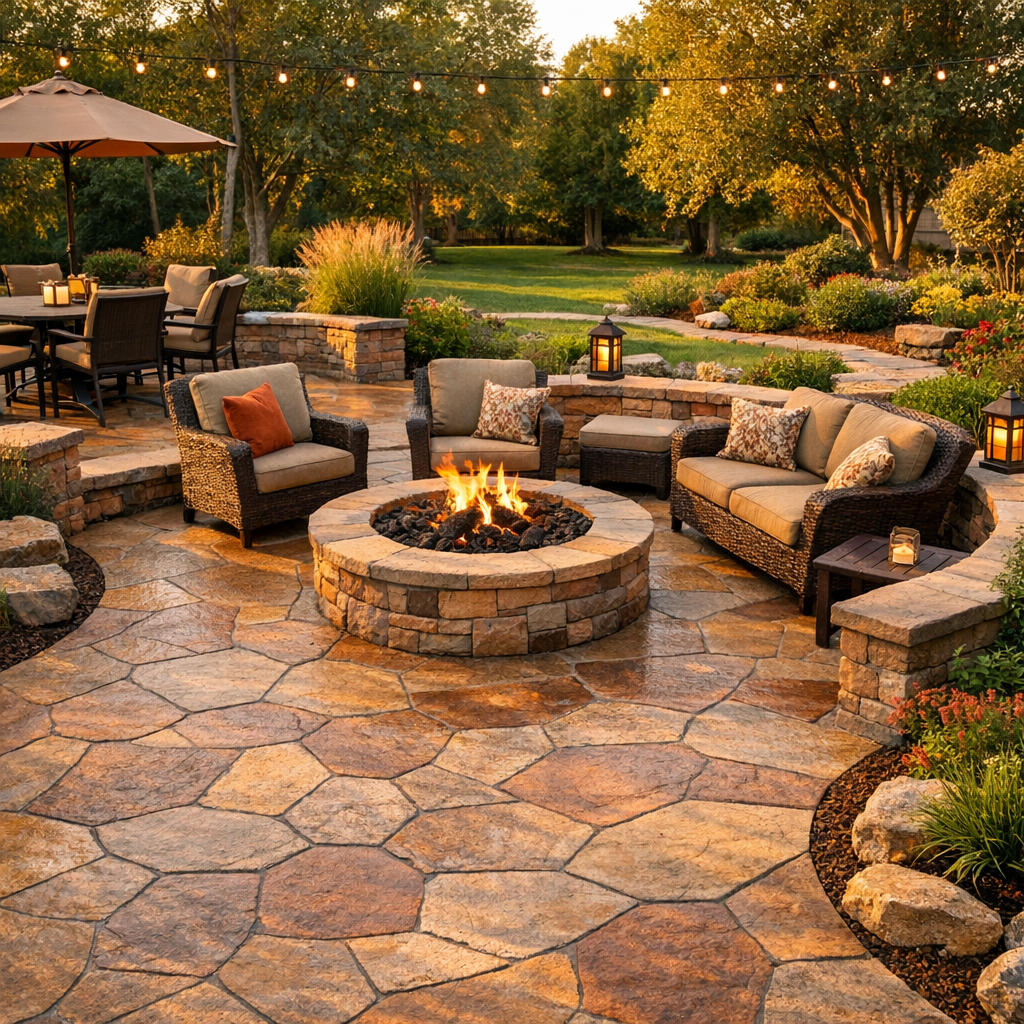
More homeowners are putting in concrete patios. It's less maintenance than wood decking and holds up better in Philadelphia's weather. Some contractors offer stamped concrete, which mimics the look of stone or brick through textured mats pressed into wet concrete. Colored concrete uses integral pigment mixed throughout, or stain applied after curing. Decorative concrete options allow Philadelphia homeowners to create custom outdoor spaces that complement the city's architectural character.
Basement Waterproofing
This goes beyond just fixing cracks. Waterproofing might involve installing a sump pump with interior drain tile, applying hydraulic cement to active leaks, or using vapor barrier systems on walls. Interior waterproofing manages water that gets in. Exterior waterproofing — excavation and applying membrane coatings to foundation walls — stops water before it enters. The second option costs more but addresses the cause rather than the symptom.
Foundation Repair
If your foundation walls are bowing inward (often caused by hydrostatic pressure from saturated soil), cracking significantly, or showing other signs of structural problems, you may need specialized repair methods. These include carbon fiber straps, wall anchors, or helical piers. Foundation repair requires materials like rebar and reinforcing steel and must comply with Philadelphia building codes.
Retaining Walls
Philadelphia properties with sloped yards, hillside lots, or grading challenges often need retaining walls to manage soil and water flow. Concrete retaining walls can be poured-in-place, built with concrete masonry units (CMU blocks), or constructed using natural stone for a more decorative look. In neighborhoods like Manayunk and Roxborough, where steep terrain is common, retaining walls serve both a structural and aesthetic purpose. Proper drainage behind the wall is essential to prevent hydrostatic pressure from building up.
Epoxy Flooring
Epoxy flooring has become increasingly popular among Philadelphia homeowners looking to upgrade garage floors and basement surfaces. An epoxy coating creates a seamless, durable, chemical-resistant surface that's easy to clean. The process involves grinding the existing concrete surface, then applying multiple layers of epoxy resin. Color flakes, metallic pigments, and anti-slip additives can be incorporated for both aesthetics and safety.
Concrete Leveling and Mudjacking
When concrete slabs sink or settle unevenly — common in driveways, sidewalks, garage floors, and pool decks — concrete leveling offers a cost-effective alternative to full replacement. Mudjacking involves drilling small holes in the sunken slab and pumping a cement-based slurry underneath to raise it back to level. In Philadelphia, where clay soil movement causes frequent settlement, concrete leveling can restore a surface at roughly half the cost of replacement.